No products in the cart.
Publication Date: 21.03.2026
An Olfactive Journey to Urartu
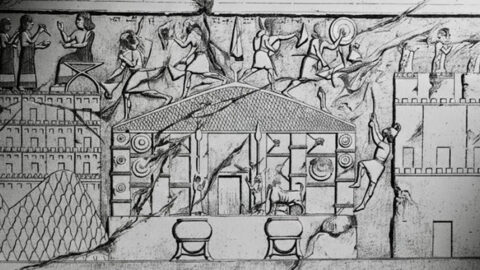
The sacking of the temple of Haldi at Musasir from the palace of Sargon II at Khorsabad.
An Olfactive Journey to Urartu: From Sacred Temples to Royal Palaces
Between the 9th and 6th centuries BC, amidst the rugged and formidable landscapes of Eastern Anatolia, the Urartians rose to transform their world into a masterpiece of civilization. Known as the “Lords of the Mountains,” they did not merely command the earth with titanic fortresses and masterful metal work; they shaped history through a sophisticated aesthetic of the senses. They were the architects of a sublime paradox, weaving the raw power of their lands with the mystical elegance of scent.
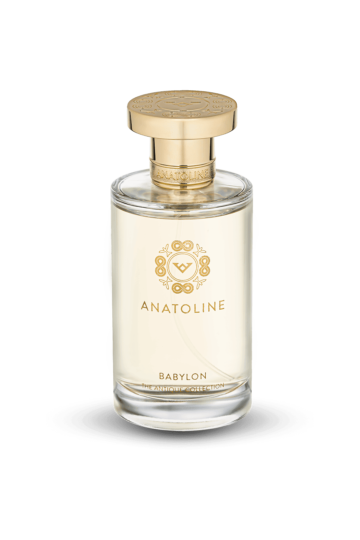
Anatoline Urartu draws its breath from the two deepest layers of this magnificent realm: Sacred Thresholds and Sealed Formulations.
The Mystery Beyond the Threshold (Haldina KÁ)
In the Urartian soul, “Haldina Ka” (The Gate of Haldi) represents the divine portal between worlds. These gates and the corridors of their temples were no ordinary spaces; they were sanctified by a rhythmic dance of rising incense and precious resins. Olibanum, the most sacred resin of antiquity, was offered to the heavens at these very thresholds.
At the heart of the fragrance, Olibanum and Saffron rise like the veils of smoke once drifting between the colossal pillars of the Ayanis Temple, bestowing a spiritual depth that is both haunting and ethereal. While Saffron adds a gilded touch of luxury to this sanctity, Olibanum invites the soul inward—beyond the gate—into a silent, meditative journey through the temple’s hallowed chambers.

“Šehe Karmehi”: The Dawn of Scented Oil
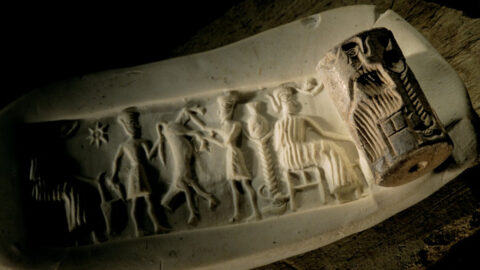
Found within the Ayanis Inscriptions is a phrase of unparalleled prestige: “Ì qar-me-ḫi” (Šehe Karmehi). It speaks of “Scented Oils”—exclusive, certified, and sealed solely for the breath of royalty. This inscription stands as one of history’s first written testaments to a culture of high perfumery and uncompromised quality protected by a royal seal. During this era, the noble essences of Sandalwood and Cedarwood were infused into these oils to create a lasting legacy.
The profound woody character in the base of the fragrance symbolizes this ancient alchemy. Just as the cuneiform script is etched into stone, this base captures the permanence and “sealed” mystery of history itself. The unwavering presence that remains on the skin for hours is the modern echo of the pure, precious formulas sealed by King Rusa II—a signature of power that transcends time.

The Echo of the Inscription
As you wear this fragrance, let the ancient words of the Ayanis Temple resonate—the very lines that inspired this olfactive creation:
“Ma-ni-ni giş-tin ha-lu-li-ye… kam-ni-ni e-i-za-na-ni-ni… še-he kar-me-hi.”
“Giş-ti-na at-hi-la-ti-ni aş-hi-la-ti-ni… Hal-di-e… Hal-di-na Ka!”
“Sweet wines, fruits, and sacred scented oils sealed for the palace…’
“…wine offerings and sacred sacrifices; for the God Haldi, at the Gate of Haldi.”
Source: eCUT Q007100 | CTU A 12-1
Inscription: Ayanis Temple Inscription, Hall of Columns
Language: Urartian (9th-6th Century BC)
Written by Halil ÖZER